For most of the last five years, a Santa Fe seller could absorb a rough inspection report and still close near list. Buyers were stacked up behind each other, contingencies were thin, and a soft canale or a hairline in the parapet became a credit at closing rather than a reason to walk.
That leverage has moved. By mid-2026, Sotheby's International Realty tracked the single-family and condo median in Santa Fe at roughly $625,000, active listings up around fourteen percent year over year, and overall supply near 4.2 to 4.5 months. Houzeo's snapshot from late 2025 showed 27% of Santa Fe listings arriving at a price reduction, up from 18.1% a year earlier, with average days on market in the high 70s. The buyer who used to feel rushed now has time to read the roof report twice.
The thesis, in one sentence
The inspection items that used to be renegotiation items on Pueblo Revival and adobe-influenced homes are now walk-away items, because buyers finally have alternatives.
A flat roof with standing water no longer costs a seller a $3,500 credit. It costs the deal, and the next buyer sees a stale listing.
If that framing is right, everything a seller does between the decision to list and the first showing should be pointed at pre-empting the four findings that most reliably surface on Santa Fe homes.
The four findings that come up first
Flat roofs and canales. Elastomeric coatings on Santa Fe's flat roofs typically want a fresh reflective layer every three to five years, and the roof should be dry within about 48 hours of a monsoon storm. Ponding beyond that, brown tracking along viga penetrations, or a chalky, worn coating over exposed asphalt reads to an experienced inspector as deferred maintenance rather than character. In a market where buyers are cross-shopping four houses instead of two, a roof note becomes the tiebreaker.
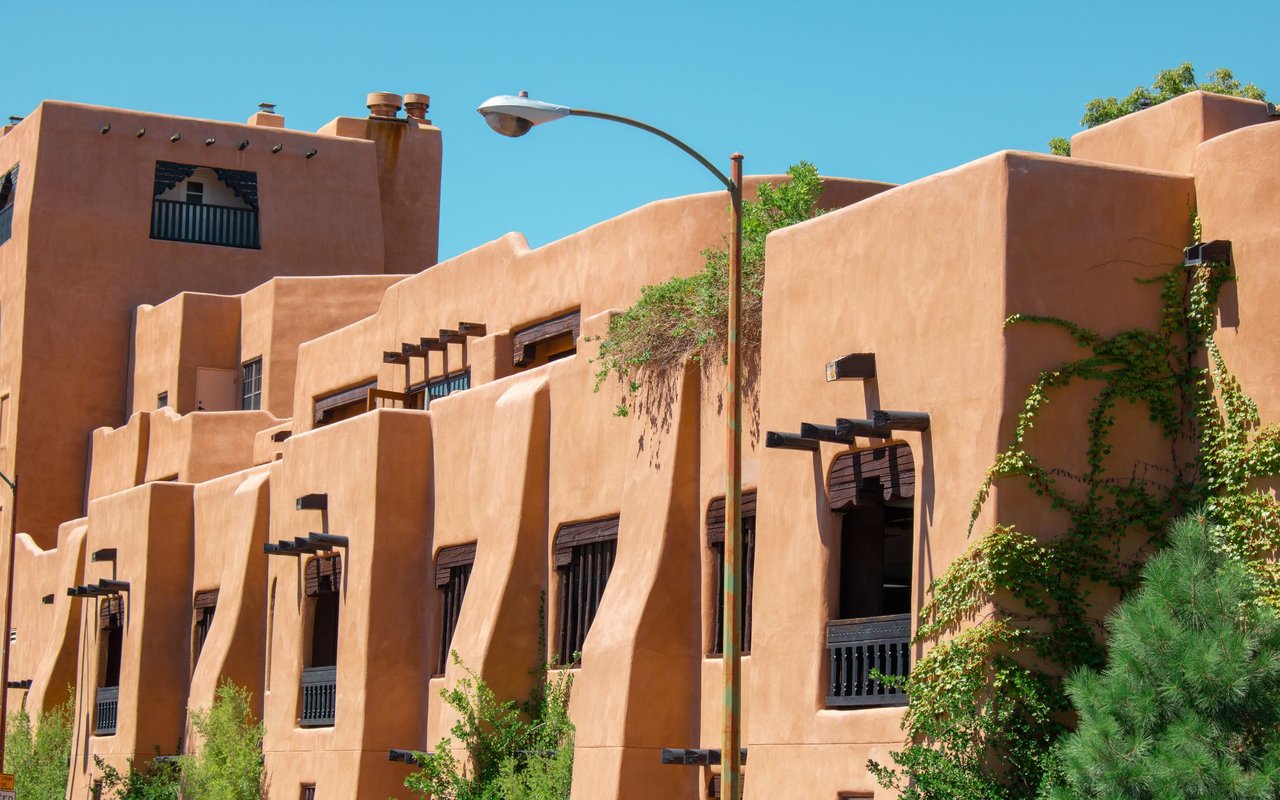
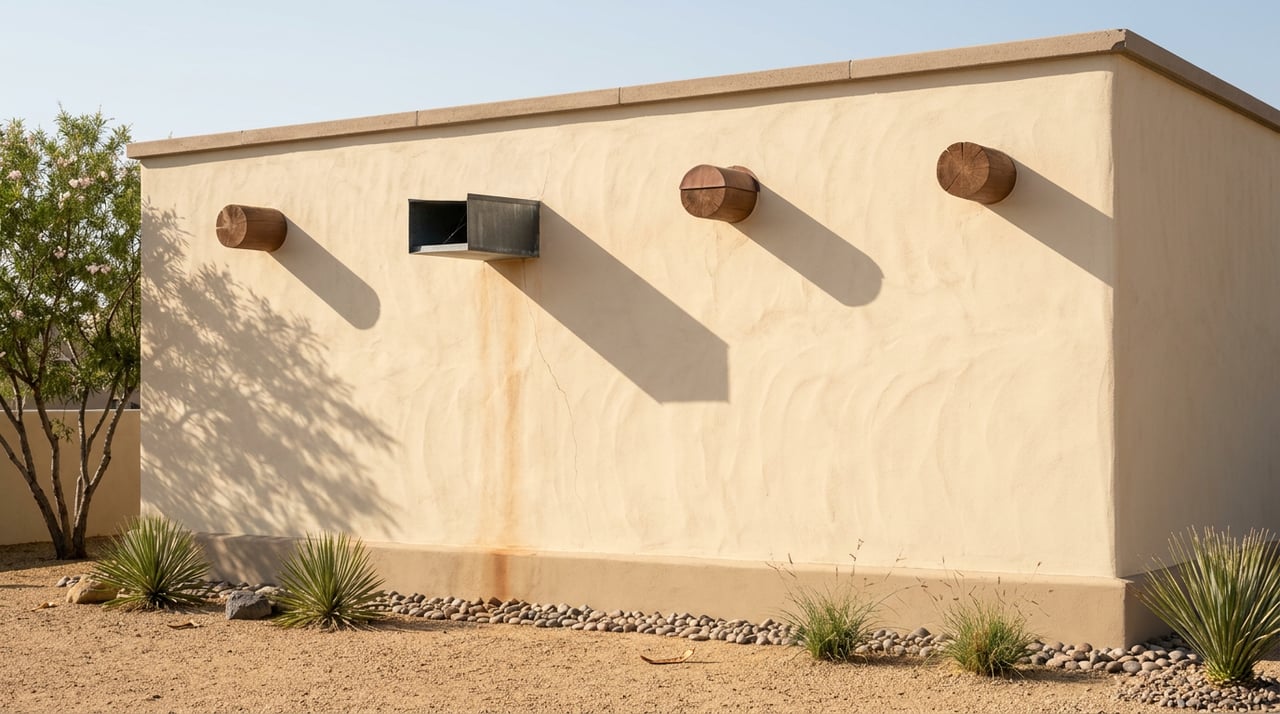
Vigas. The projecting log-ends that give a Santa Fe home its silhouette are also the single most common source of hidden rot and termite damage in Pueblo-style construction. Sun exposure, freeze-thaw, and rain at the exposed grain compound quietly; by the time a viga end looks soft from the ground, the interior of the log has often been decaying for a while. Fiberspan and other faux-viga systems exist for exactly this reason, and inspectors know to tap and probe.
Cement stucco over adobe. Portland cement stucco is significantly less permeable than the mud or lime plasters traditional adobe was designed to breathe through. When a mid-century owner cement-stuccoed an older adobe home, that finish can trap moisture inside the wall and drive interior efflorescence, hollow-sounding sections, and eventual erosion. A buyer's inspector who understands earthen construction will flag this, and adobe-experienced consultants around Santa Fe increasingly ask to see the finish history before signing off.
The historic overlay question. If your home sits in one of the five City of Santa Fe historic districts, an informed buyer will ask whether the addition, garage conversion, or window package they are already picturing is actually approvable. Under the Historic Districts Ordinance, most exterior modifications require review through the Historic Preservation Division, with cases that cannot be administratively approved routed to the Historic Districts Review Board. The HDRB meets the second and fourth Tuesday of each month. Buyers who do not get a coherent answer to the "can I change this" question tend to keep shopping.
What the RANM disclosure actually asks, and what it does not
New Mexico is unusual. The statutory disclosure duty in NM Statute § 47-13 centers on giving the buyer the county assessor's estimated property tax levy for the year after sale, based on the listed price. The broader duty to disclose material defects is not driven by statute so much as by the Realtors Association of New Mexico purchase agreement, which imposes an ongoing obligation on sellers to disclose Adverse Material Facts up to and including the settlement date.
In practice that means two things for a Santa Fe seller. First, RANM Form 2301, the Seller's Property Disclosure, is not optional in any real sense. It is the document buyers expect, and it asks direct questions about roof work under warranty, prior stucco problems including EIFS, prior inspection reports in the seller's possession, and whether required permits were pulled for past improvements. Second, the "ongoing obligation" language means a repair or discovery made after the disclosure was signed still has to be shared before closing. A seller who fixes a leak in escrow and never mentions it has just created a post-closing problem for themselves. State law also carves out crime history, deaths at the property, and prior occupants' HIV status from the disclosure duty, per § 47-13-2.
The HDRB fee structure, so you can answer the buyer's question
If your listing is inside a historic district, expect a buyer or their agent to ask about the review process for future changes. Being able to quote the schedule from memory is a small thing that reads as competence.
| Step | Approximate cost |
|---|---|
| Pre-application site visit | $75 |
| Administrative maintenance and repair approval | $100 |
| HDRB hearing fee (based on construction cost) | $250 minimum, $2,000 maximum |
The Historic Preservation Division also requires a Historic Preliminary Zoning Review before an HDRB submittal, and a final zoning review returns at the building permit stage. None of this stops a project. It does add weeks, and it is the kind of detail that lets a buyer who was going to write become a buyer who does write.
A pre-listing sequence that keeps the leverage
- Book an independent flat-roof inspection separate from the general home inspection. Get the coating age, the drainage pattern after a storm, and the condition of every canale in writing. If the roof is due for elastomeric recoat, do it before photography.
- Have viga ends and exposed lintels probed on the same visit. If any are compromised, get a bid for repair or replacement. A written quote in hand is worth more than a lower list price.
- If your home is older adobe with a cement stucco finish, ask a plaster contractor familiar with earthen walls to walk the exterior. Note any hollow-sounding sections, cracking near roof-to-wall joints, and interior efflorescence.
- Pull your permit history from the City of Santa Fe. If additions, garage conversions, or major electrical work show as unpermitted, decide now whether to resolve them, disclose them, or price for them.
- Complete RANM Form 2301 with your agent before the listing goes live, not the week you accept an offer. Treat the disclosure as a marketing document that reduces buyer risk, not a form to survive.
- If you are in a historic district, request the Historic Buildings Status for your address from the city's GIS layer and be ready to hand a buyer a one-page summary of what administrative approval covers.
Done in that order, the report your buyer's inspector produces contains fewer surprises than the report you produced yourself. That is the entire game in a market where 27% of listings eventually reduce.
FAQ
Do I need a pre-listing inspection to sell in Santa Fe?
Nothing requires it. In a market with average days on market in the 60s and 70s, sellers who order one gain a negotiating advantage that sellers who wait for the buyer's report almost never recover. The RANM disclosure form directly asks whether you possess a current inspection report, so the document itself assumes a growing number of sellers will have one.
If my home is in the Historic Eastside, does the HDRB review my sale?
No. The HDRB reviews modifications to properties, not transfers. What it does affect is the answer to a buyer's question about what they can change after closing. Median sales prices in the Historic Eastside have held near $1.29 million in the 2026 mid-year reporting, and buyers at that price point are almost always thinking about a project.
How do I disclose a repair I made after signing the disclosure form?
The RANM purchase agreement treats disclosure as an ongoing obligation through the settlement date. Note the repair in writing, deliver it to the buyer through your broker, and keep the acknowledgment in your transaction file. If a material issue is discovered by your contractor mid-escrow and the buyer learns about it after closing, the state's Real Estate Disclosure Act and general fraud exposure become the seller's problem, not the agent's.
What if my roof looks fine but the coating is old?
Old coating is not a defect; it is a maintenance interval. The distinction matters because inspectors write it up either way. A dated invoice for a recent recoat, kept with the disclosure package, changes the language in the buyer's report from "recommend evaluation" to "recently serviced." That single line is often the difference between a clean acceptance and a five-day repair negotiation.
Selling a Santa Fe home in 2026 rewards the same instincts that have always mattered here: care for the building, honesty about its history, and a plan that respects both. If you are thinking about listing and want to walk through what your specific roof, walls, and district status mean for pricing and preparation, Destinee Tran is glad to sit down and read the house with you. Let's Connect.